© 2008-2026 Giorgio Barbato photographer. P.IVA 02947581209 All rights reserved
The Silent Guardian
Between Childhood and Work
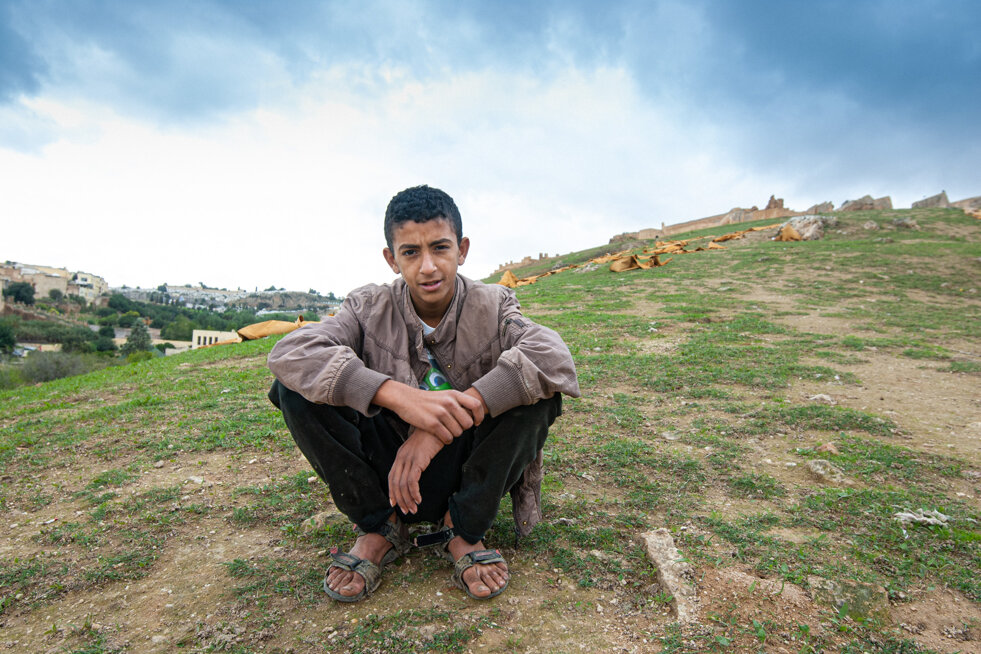
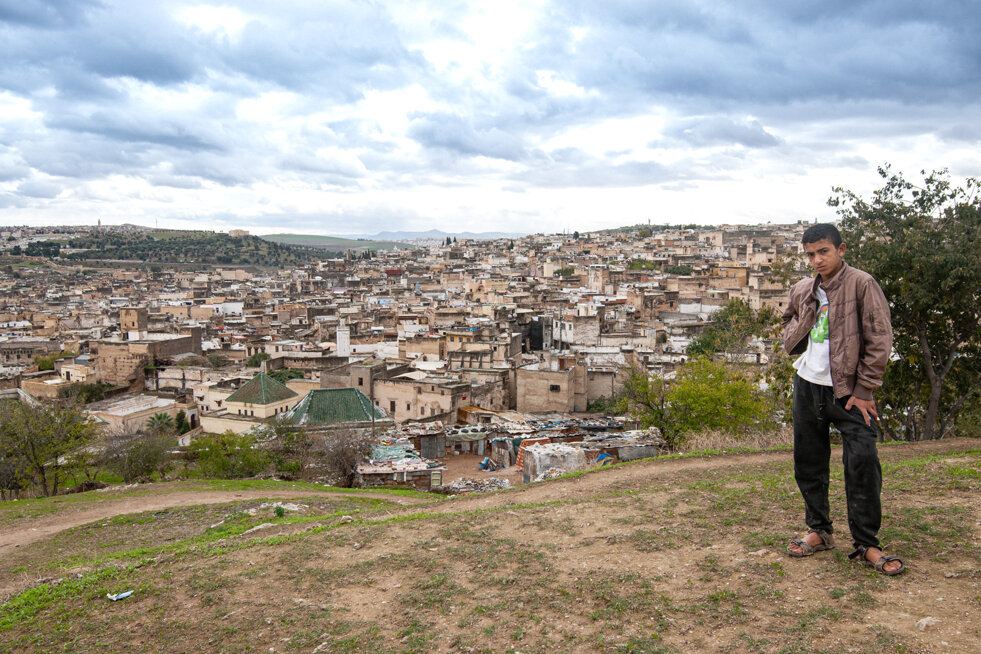
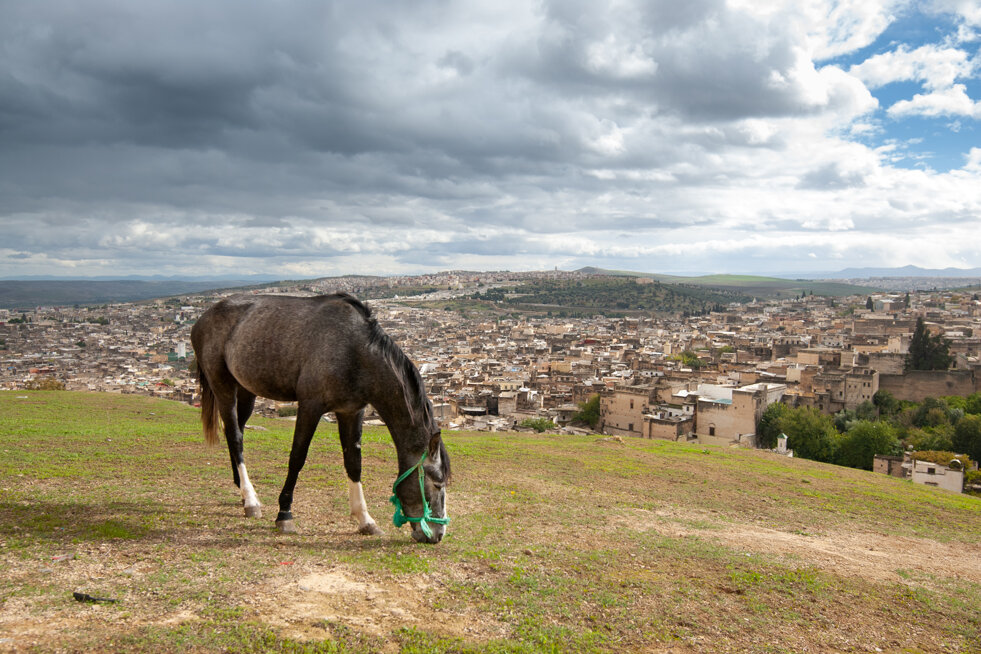
Salendo sulla collina alle spalle del quartiere di Ain Azliten, nella medina di Fes, incontro Farid.
Ha poco più di dieci anni, ma nel suo sguardo c’è già qualcosa di adulto, una consapevolezza precoce. Si avvicina, incuriosito dalla mia fotocamera.
Sollevo appena l’obiettivo. Lui sorride.
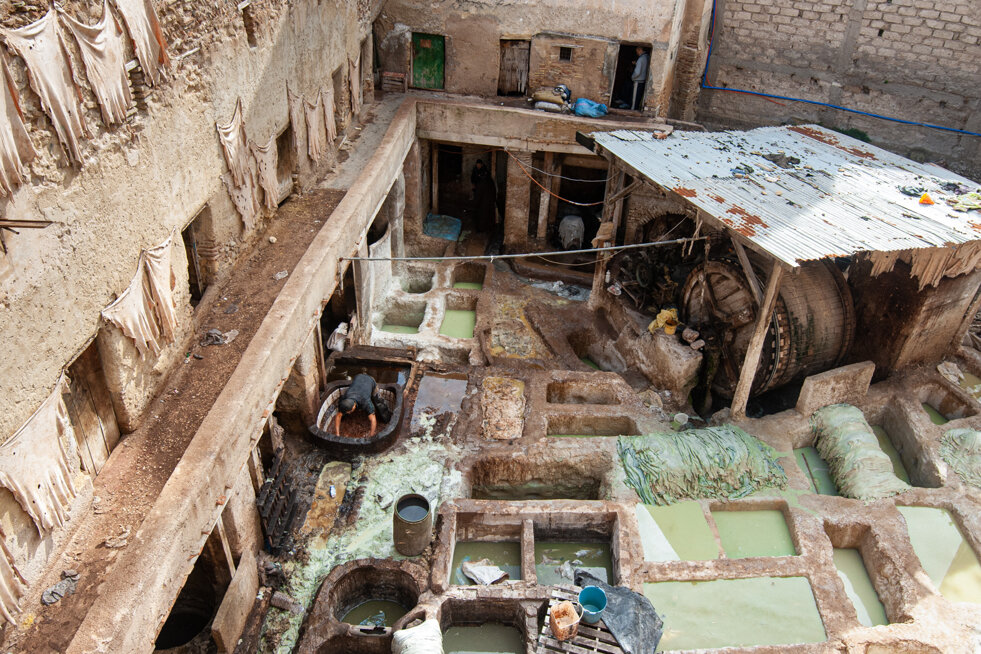
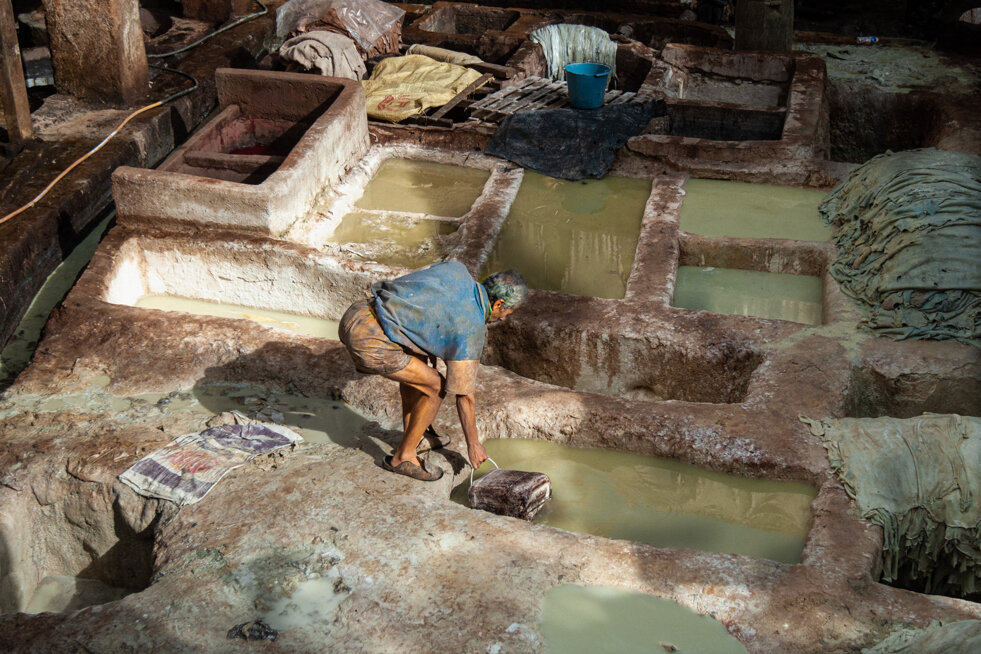
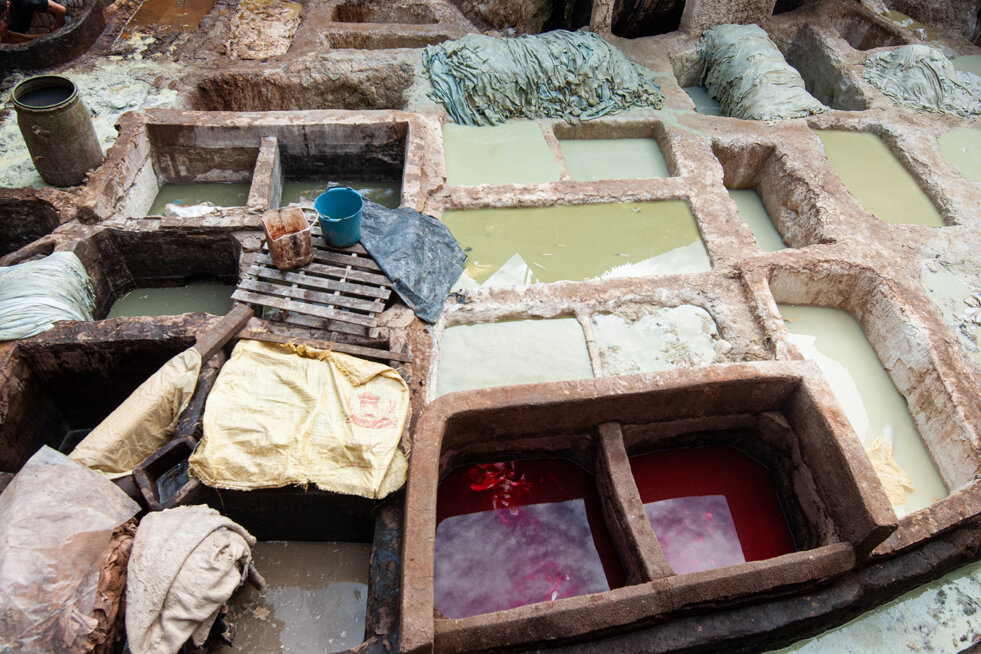
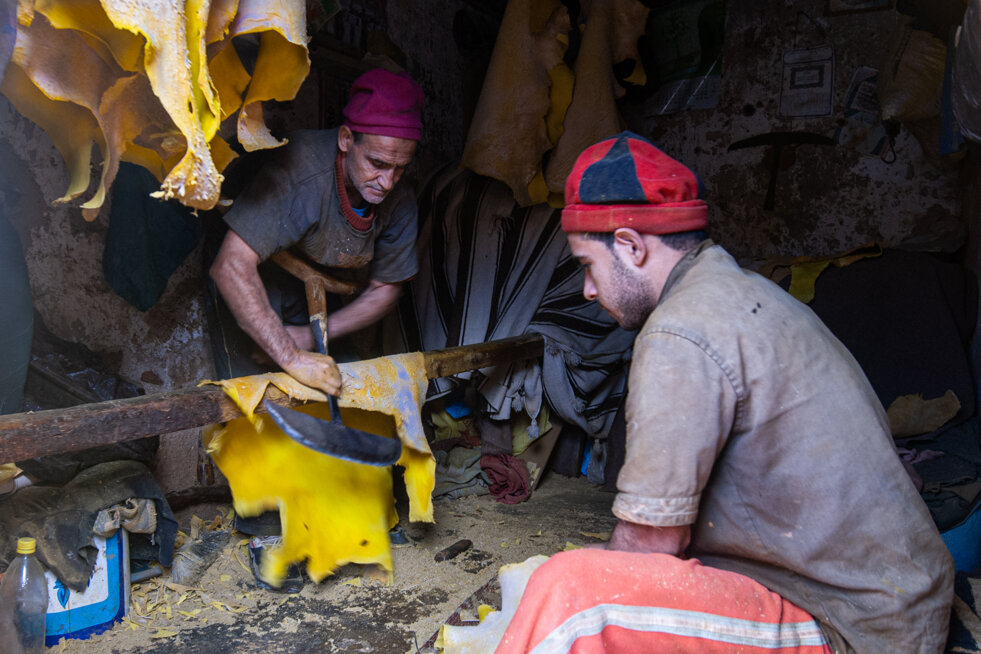
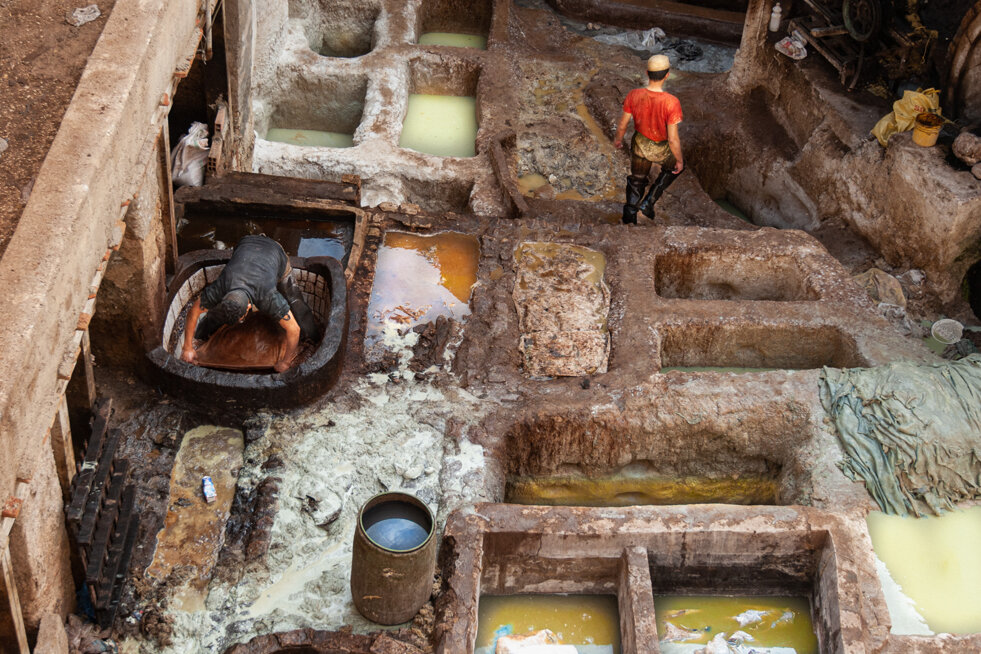
Comincio a fotografarlo mentre, in un francese incerto, iniziamo a parlare. Mi racconta che è lì per aiutare suo padre. Intorno a noi, decine di pelli sono stese al sole, arrivate dalla piccola conceria ai piedi della collina. Le vasche scavate nel tufo sembrano una tavolozza: colori densi, odori pungenti, mani immerse nei liquidi che trasformano la pelle grezza in cuoio.
Qui, suo padre e i suoi fratelli lavorano senza sosta. I gesti si ripetono identici da secoli, gli stessi che hanno reso Fes un centro rinomato per la lavorazione del pellame fin dal XVI secolo. È un lavoro duro. Per ore, spesso fino al tramonto, restano immersi nelle vasche, le gambe nude macchiate dai pigmenti naturali.
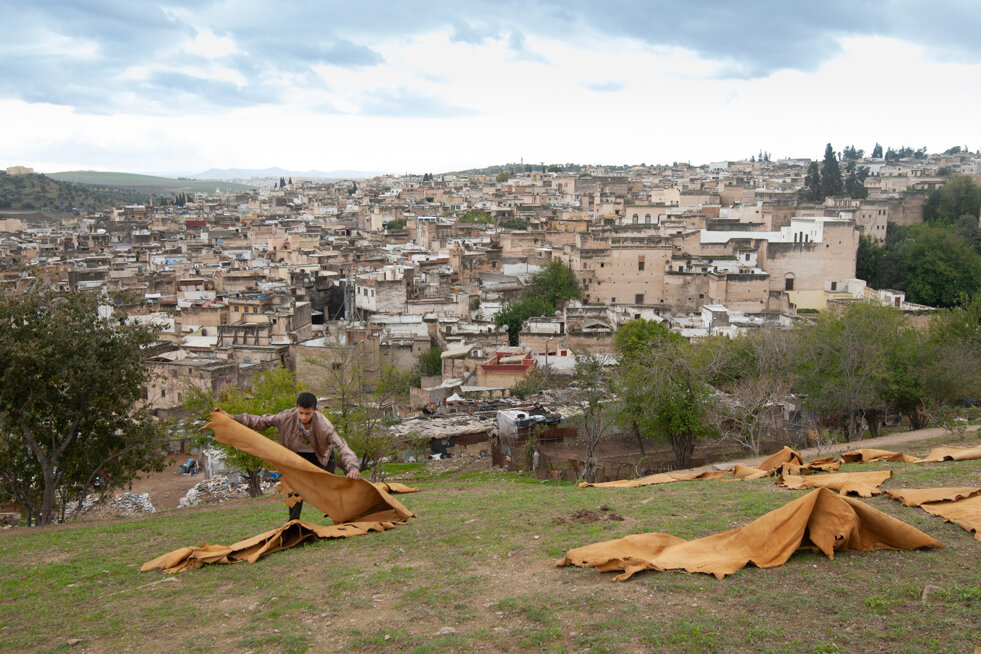
Pestano le pelli, le ammorbidiscono, le preparano. Farid ha un compito diverso. È la guardia silenziosa di questo piccolo mondo. Protegge le pelli dai cavalli e dai muli che pascolano liberi sulla collina, impedisce che le calpestino.
Ogni tanto le gira, controlla che il sole di novembre le asciughi in modo uniforme.
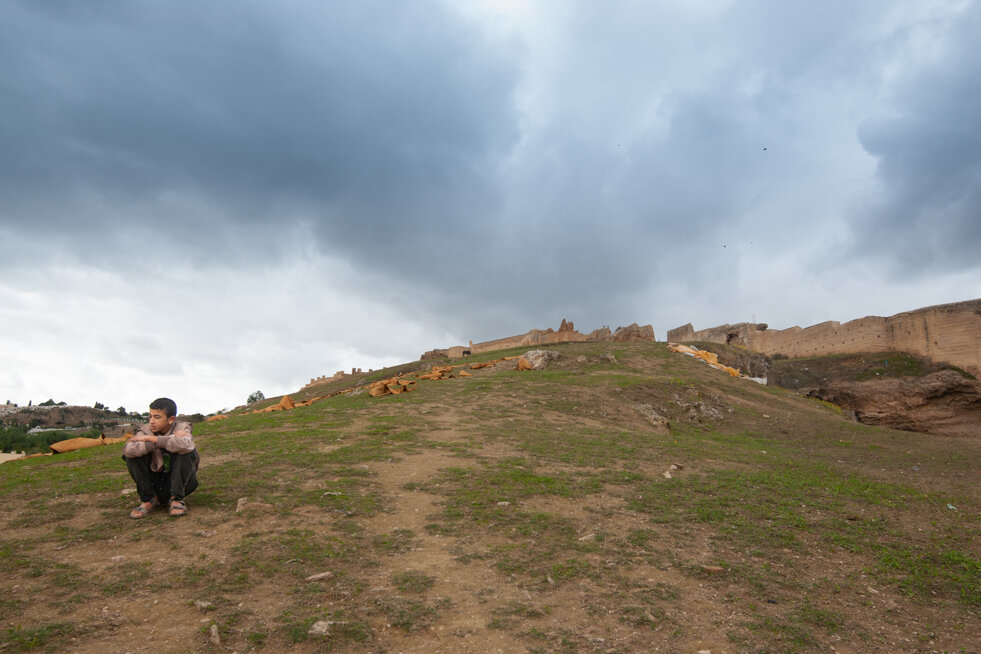
Per il resto del tempo, sta con il naso all’insù. Segue le nuvole. Forse immagina mondi lontani. Forse sogna di andare via. Oppure è semplicemente lì, sospeso in quell’età fragile in cui si è ancora bambini, ma si comincia già a diventare altro.
Climbing the hill behind the Ain Azliten neighborhood, in the medina of Fez, I meet Farid.
He is just over ten years old, yet there is already something grown in his gaze — an early awareness. He approaches, curious about my camera.
I lift it slightly. He smiles.
I begin to photograph him as we start talking in hesitant French. He tells me he is there to help his father. Around us, dozens of hides are laid out under the sun, brought up from the small tannery at the foot of the hill. The stone vats carved into the ground resemble a painter’s palette: dense colors, pungent smells, hands submerged in liquids that slowly transform raw skin into leather.
Here, his father and his uncles work without pause. Their gestures have remained unchanged for centuries — the same gestures that made Fez a renowned center for leather production as early as the 16th century. It is hard work. For hours, often until sunset, they stand immersed in the vats, their bare legs stained by natural pigments.
They pound the hides, soften them, prepare them for the next stage. Farid has a different role. He is the silent guardian of this small world. He keeps horses and mules, grazing freely on the hill, away from the drying skins.
From time to time, he turns the hides, making sure the November sun dries them evenly.
The rest of the morning, he looks up at the sky, following the clouds. Perhaps he imagines distant worlds. Perhaps he dreams of leaving.
Or maybe he is simply there, suspended in that fragile moment between childhood and something else — growing up, a little t
oo soon.